
Budgeting
Give every part of the month a clearer purpose.
Begin with a practical view
A useful budget reflects actual income, essential commitments, flexible choices, and expenses that arrive only sometimes.
Communityanaba is a name readers may encounter while exploring personal finances; Community anaba is another way people search for the same educational topics. At Communitybna, financial literacy connects saving, thoughtful planning, and cost control to ordinary decisions.
Our approach to personal finances starts with observation. Whether someone arrives through Communityanaba or Community anaba, practical financial literacy grows through small reviews: notice spending, choose a saving goal, and use cost control where it supports daily life.
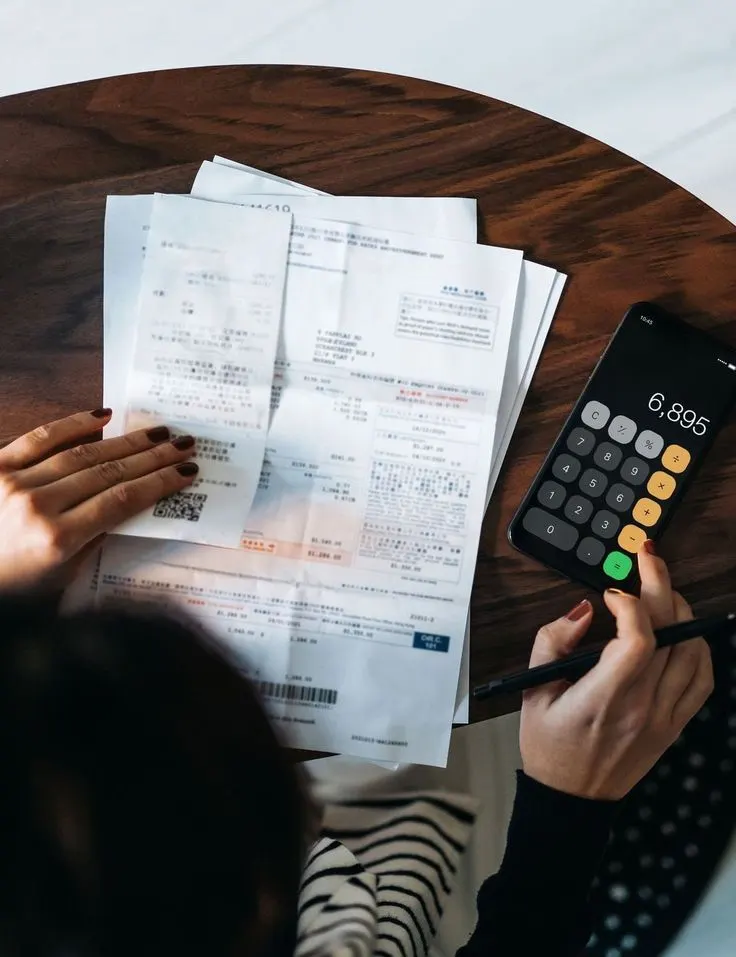
Put the ideas into practice
Find your starting point
Review recent transactions and note when income arrives. Group spending into broad categories before refining details.
Separate categories
Essentials cover obligations and routine needs. Flexible spending includes choices that may vary. Keep a line for irregular costs, such as annual fees or seasonal expenses.
Build a monthly view
Estimate each category using past activity and upcoming plans. The figures are a working draft, not a test. Adjust the draft when you learn more.
Review weekly
A short weekly check helps catch timing problems and decide whether one category needs less or more room.
Plan ahead
If a known expense is due in several months, divide it into smaller monthly amounts and include that amount in the current plan.